Going home
“We are tied to the ocean. And when we go back to the sea — whether it is to sail or to watch it — we are going back from whence we came.”
John F. Kennedy, 1962
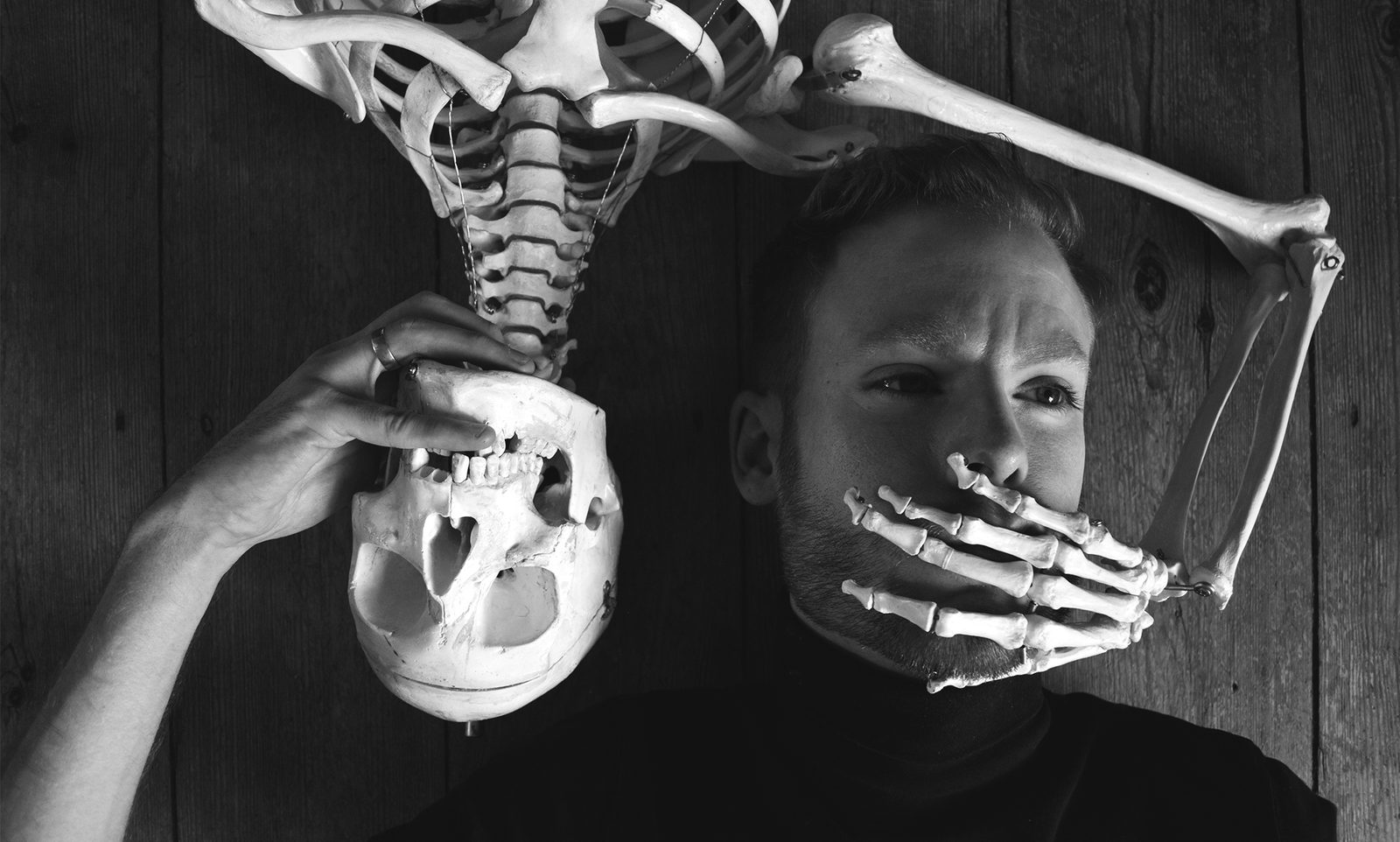
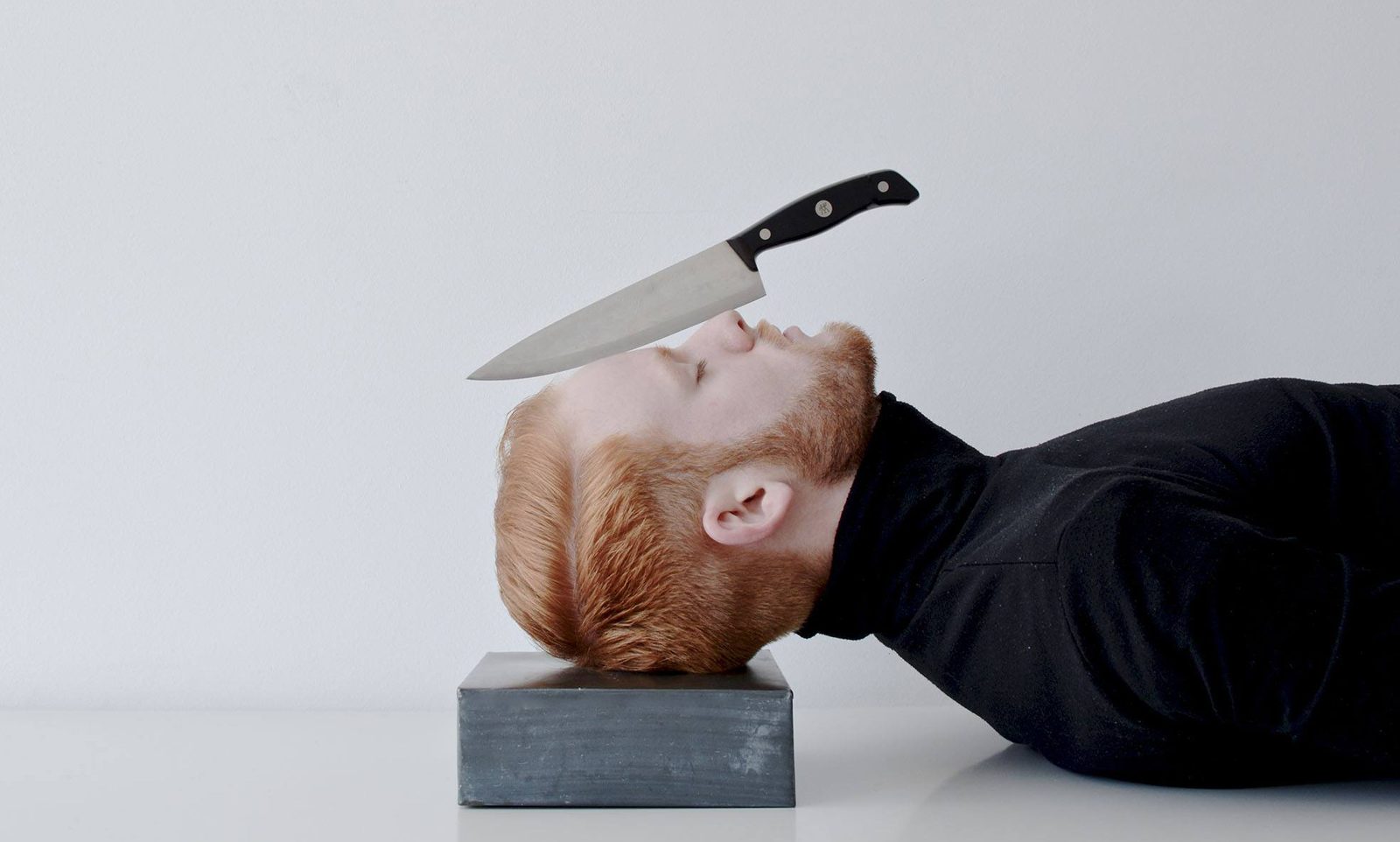
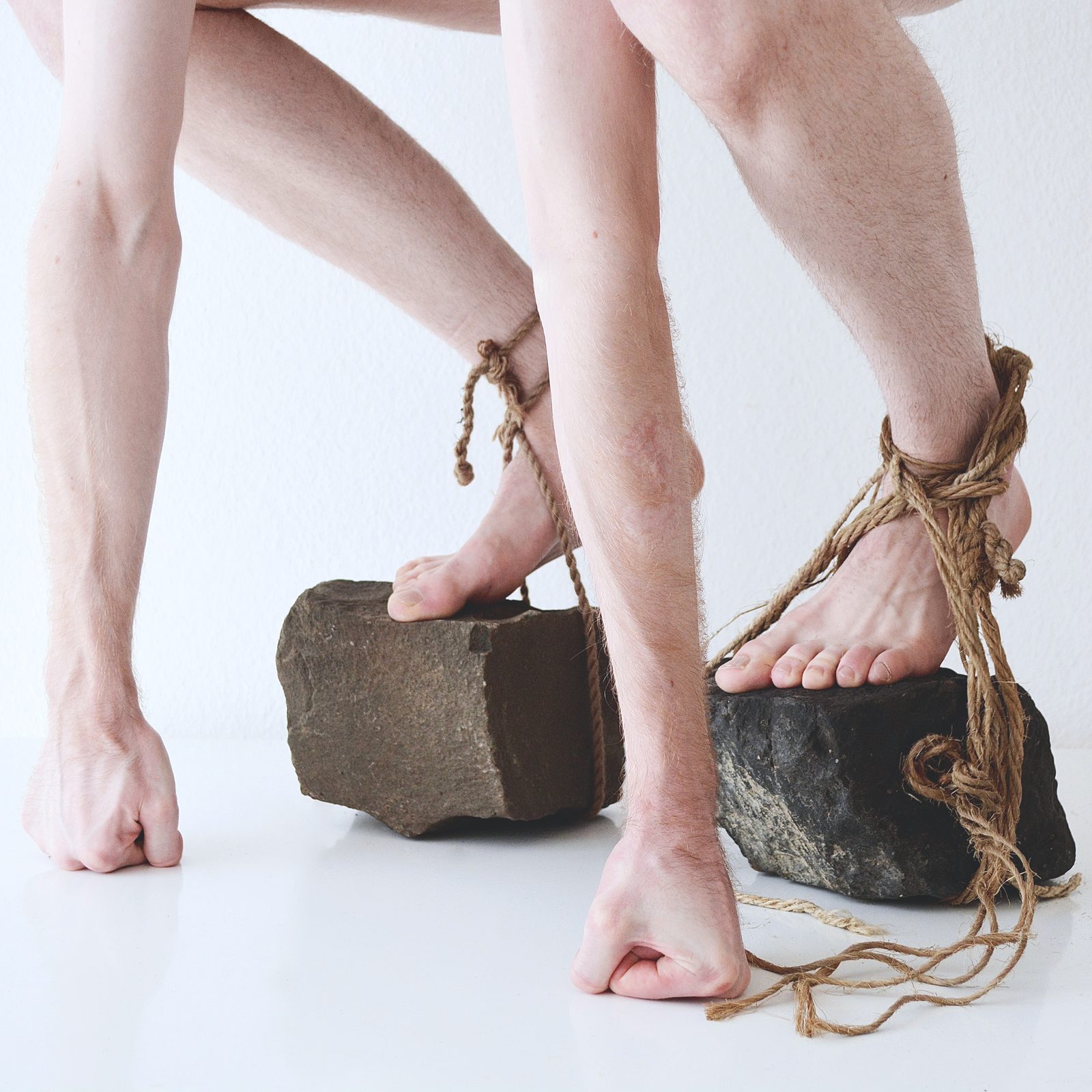
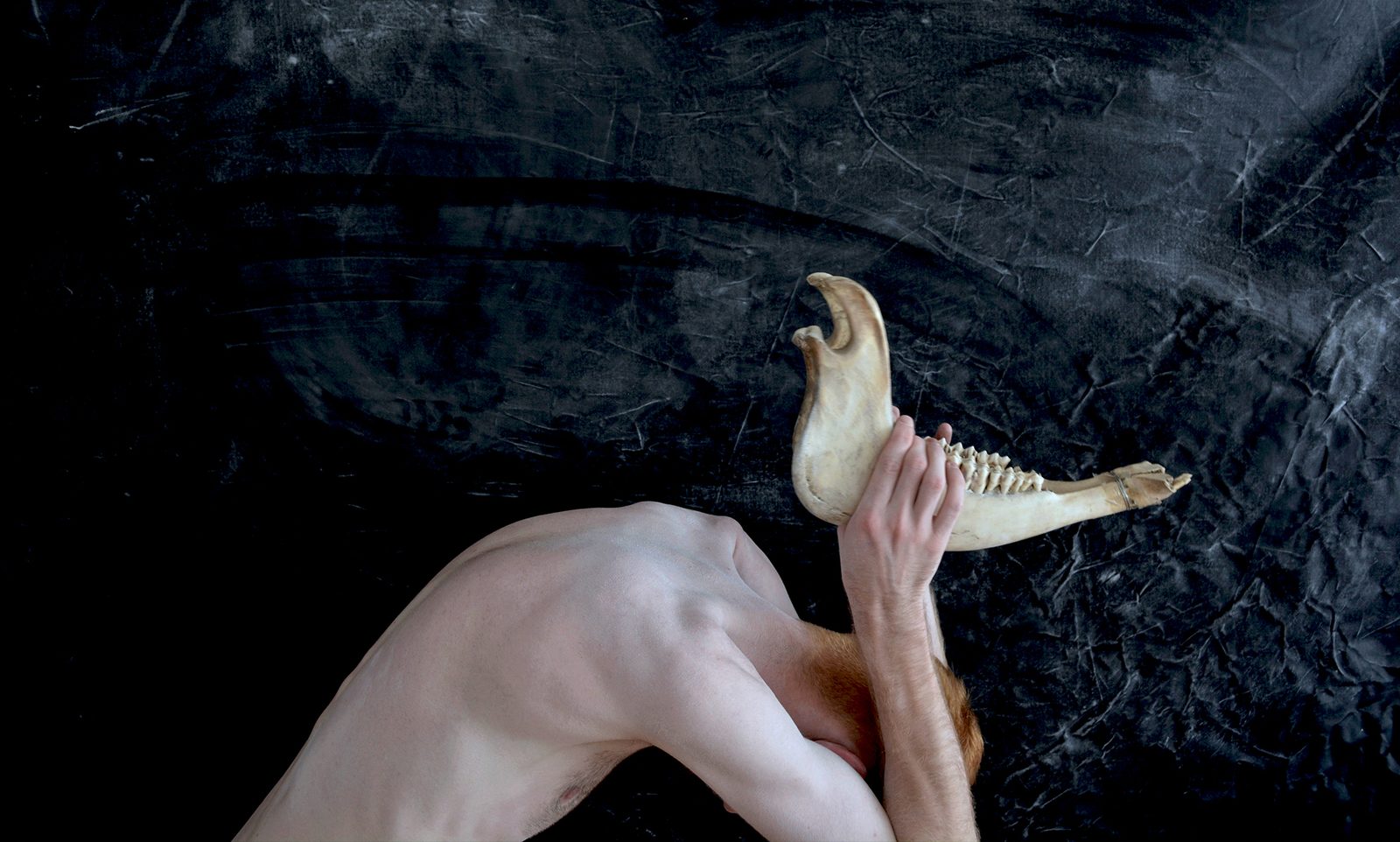
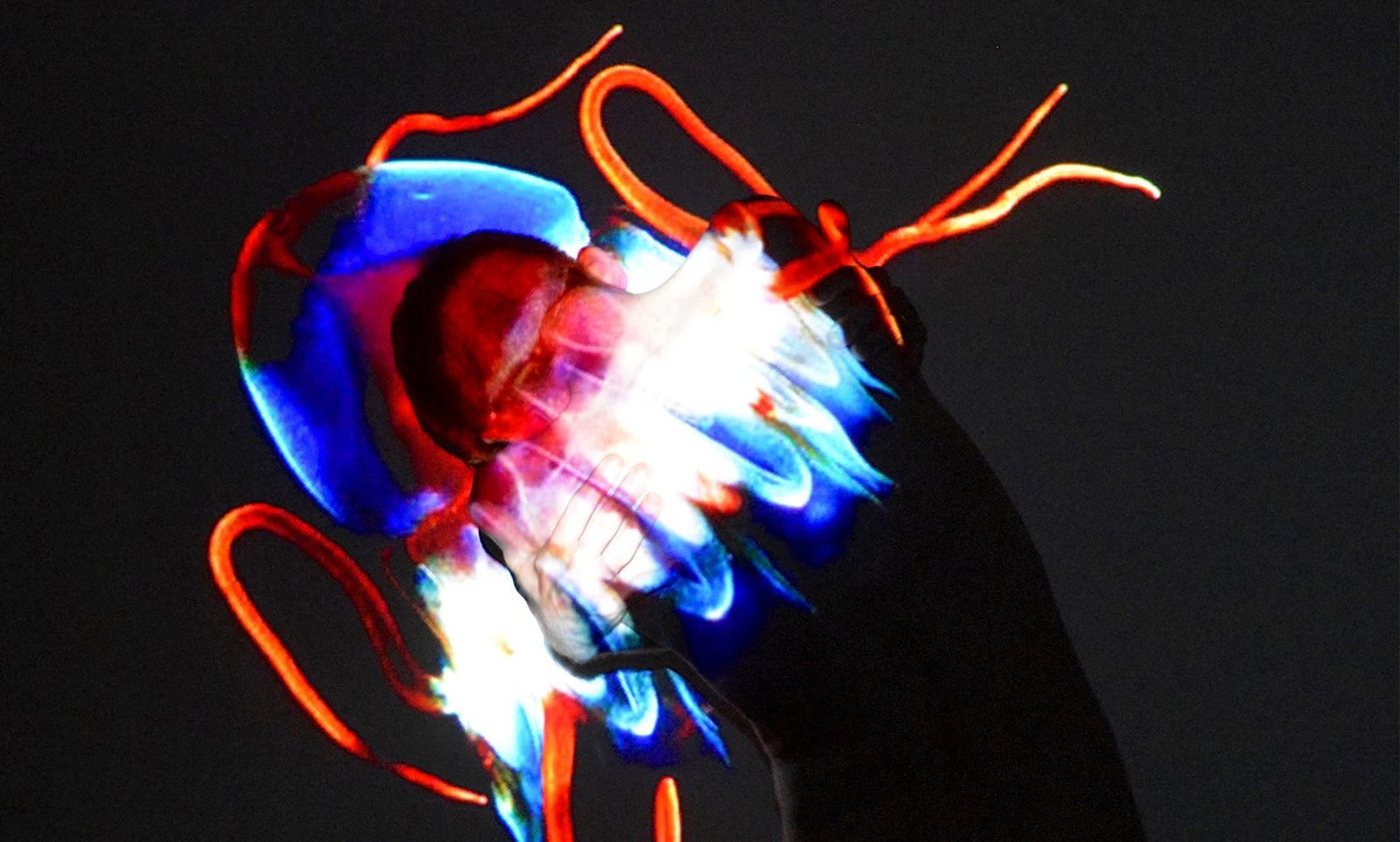
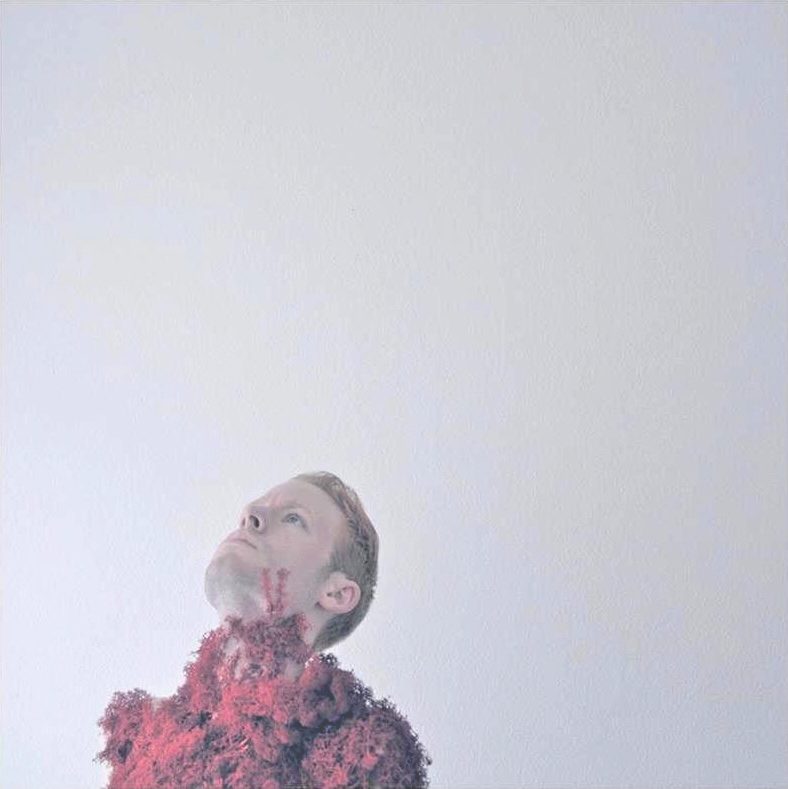
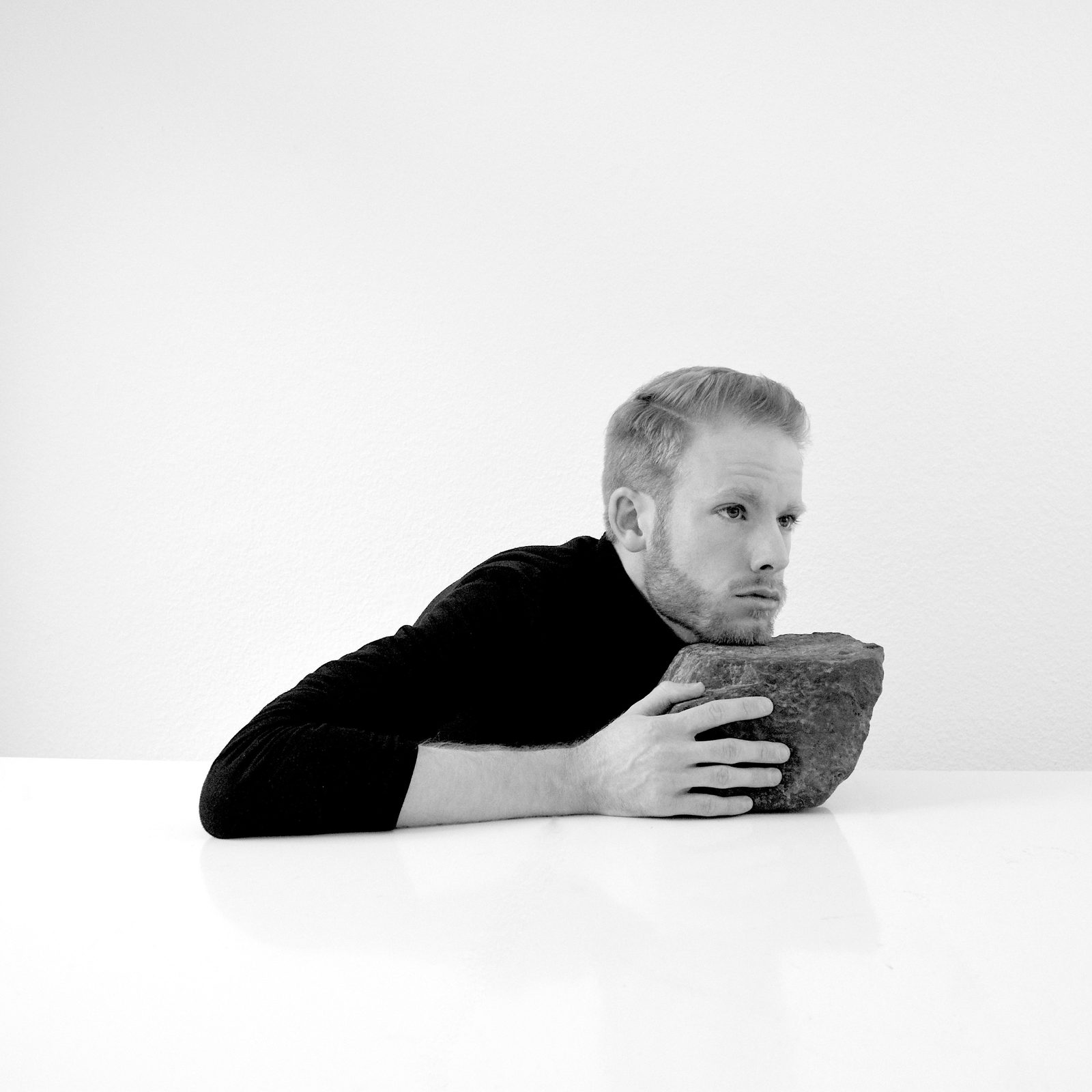
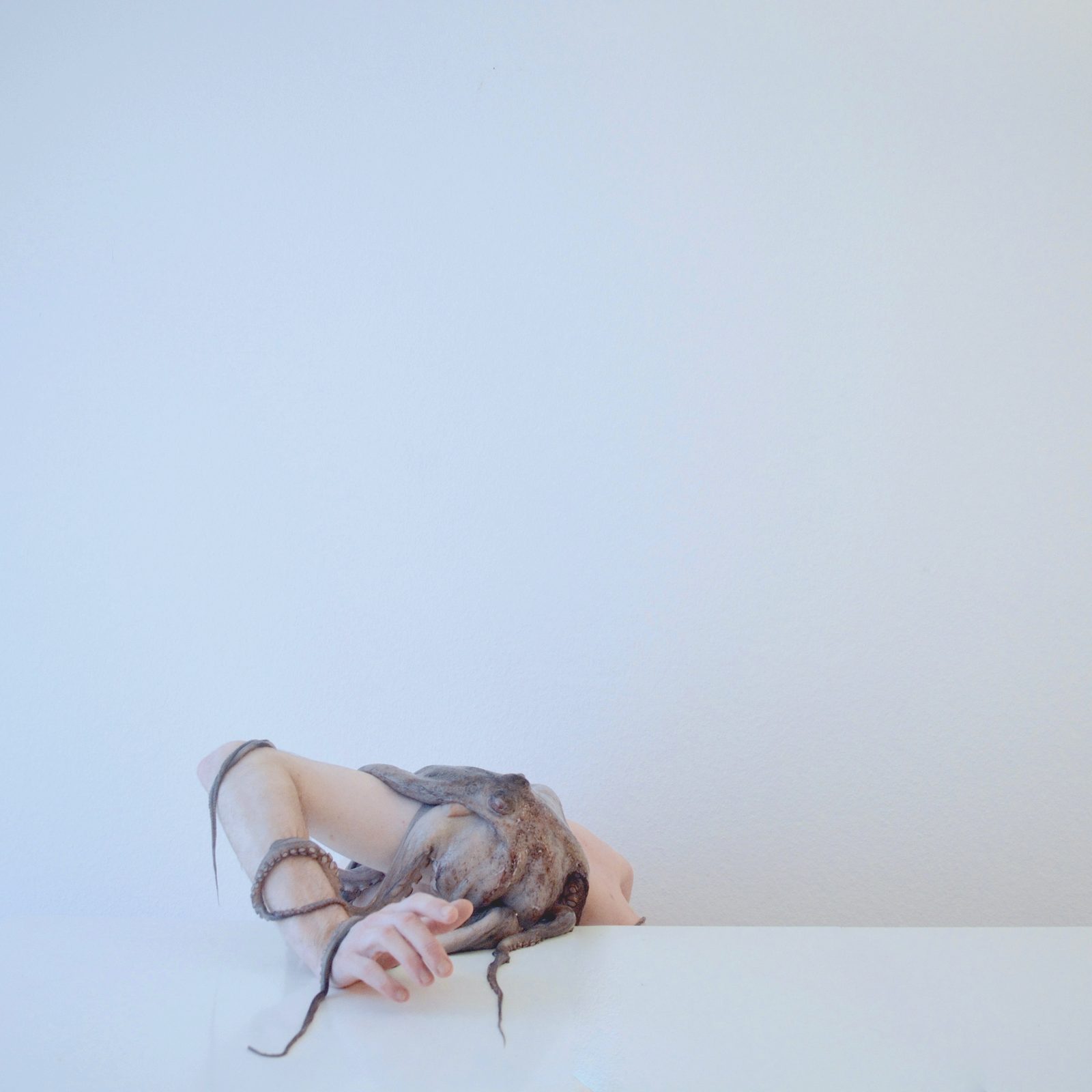
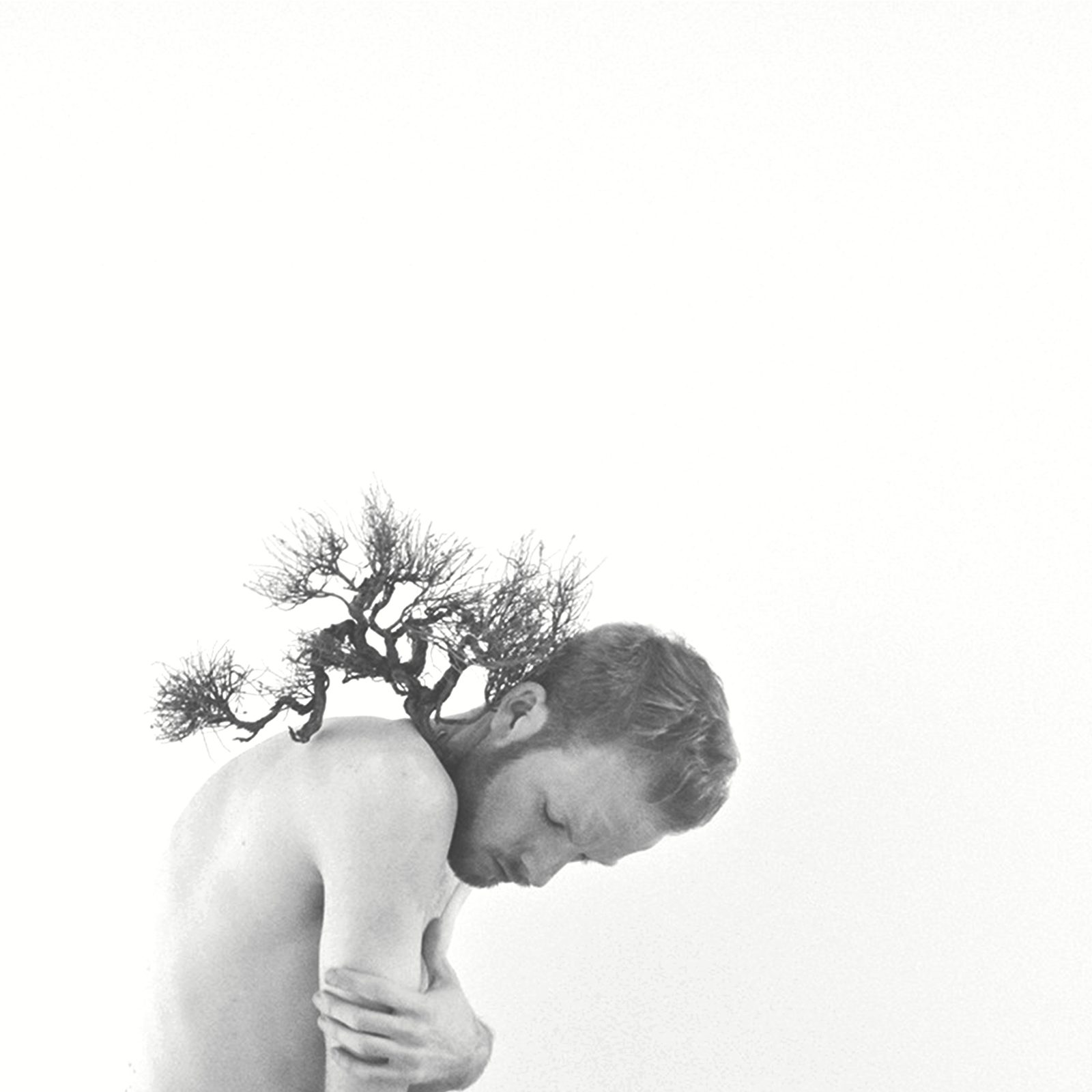
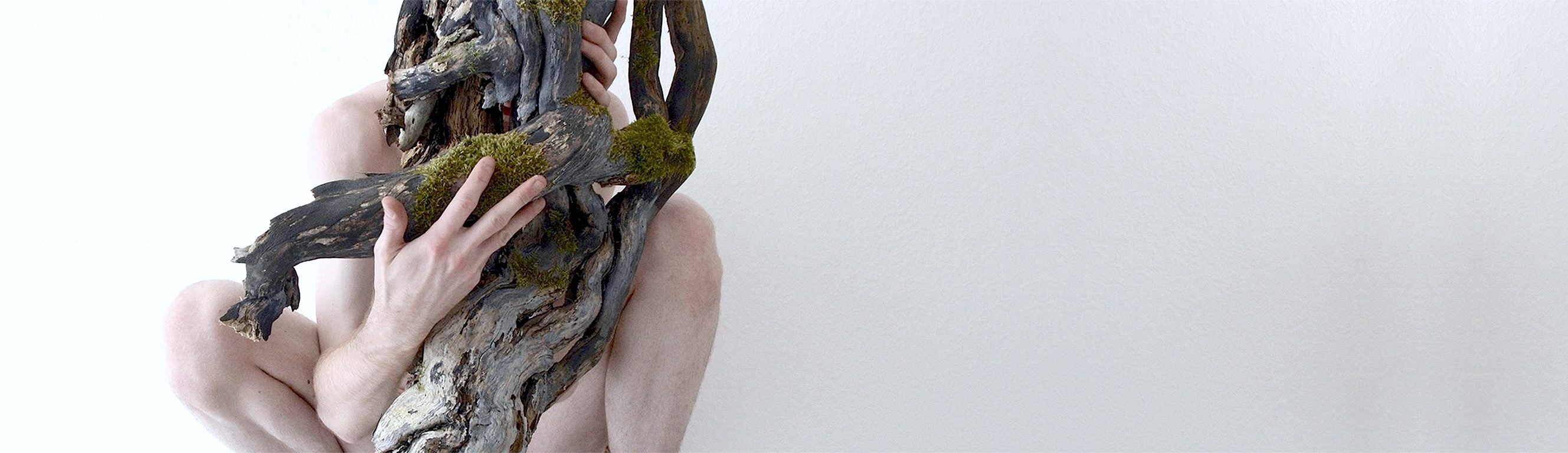
A photographic exploration into the human body and our relationship with nature, Going Home is the title for a series of self-portraits produced during a period of isolation and disorientation following the end of a marriage and a shared artistic practice.
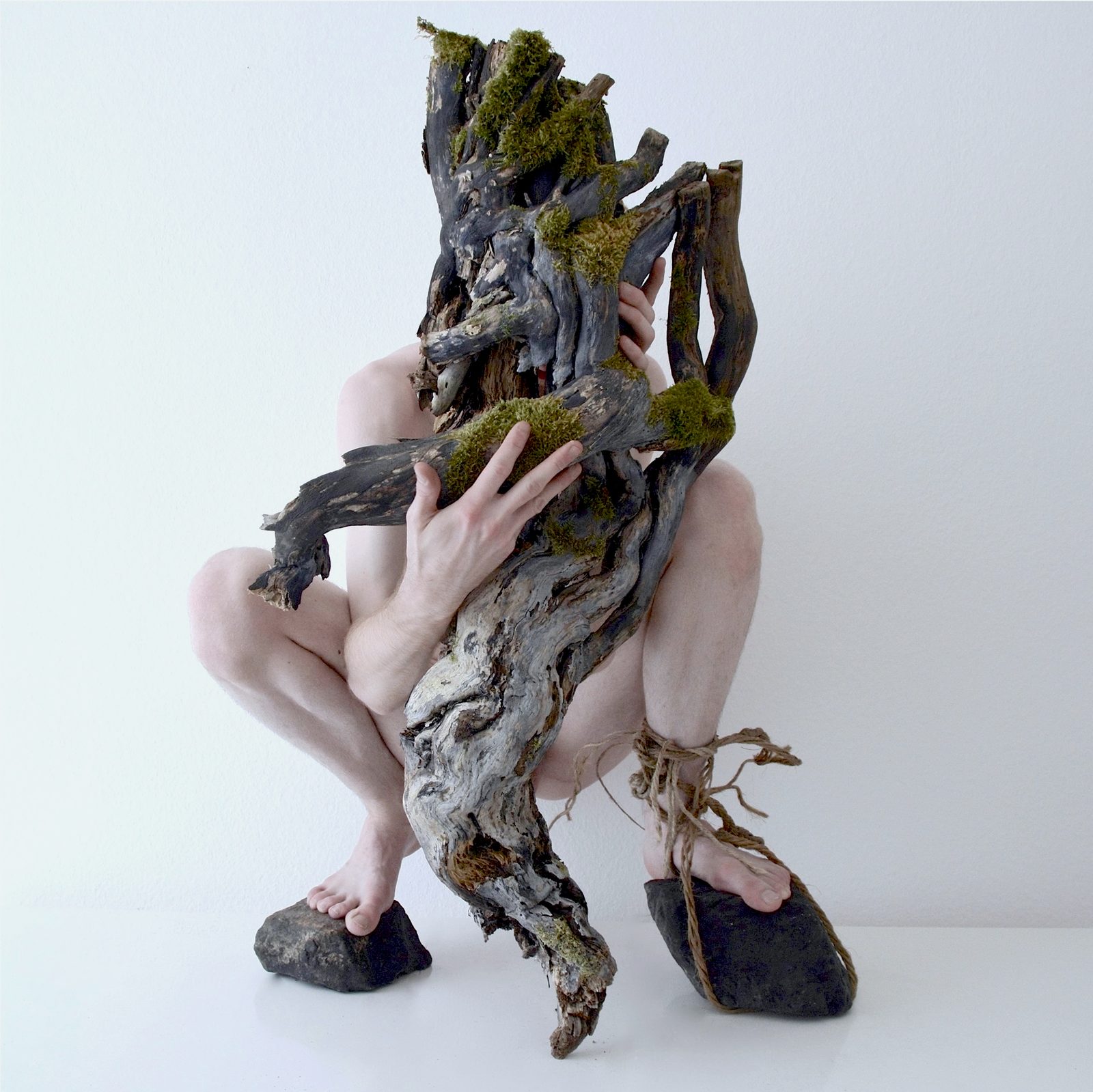
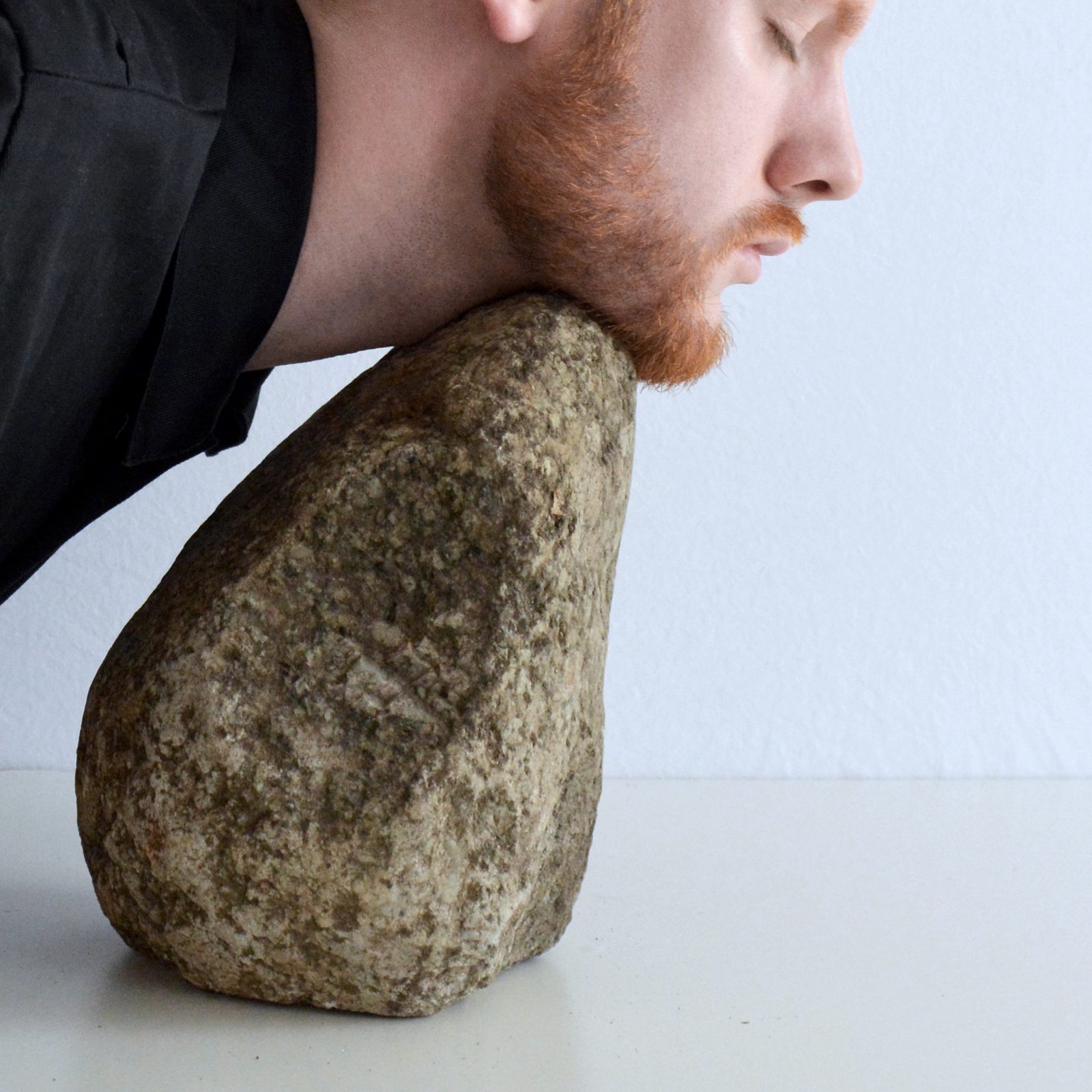
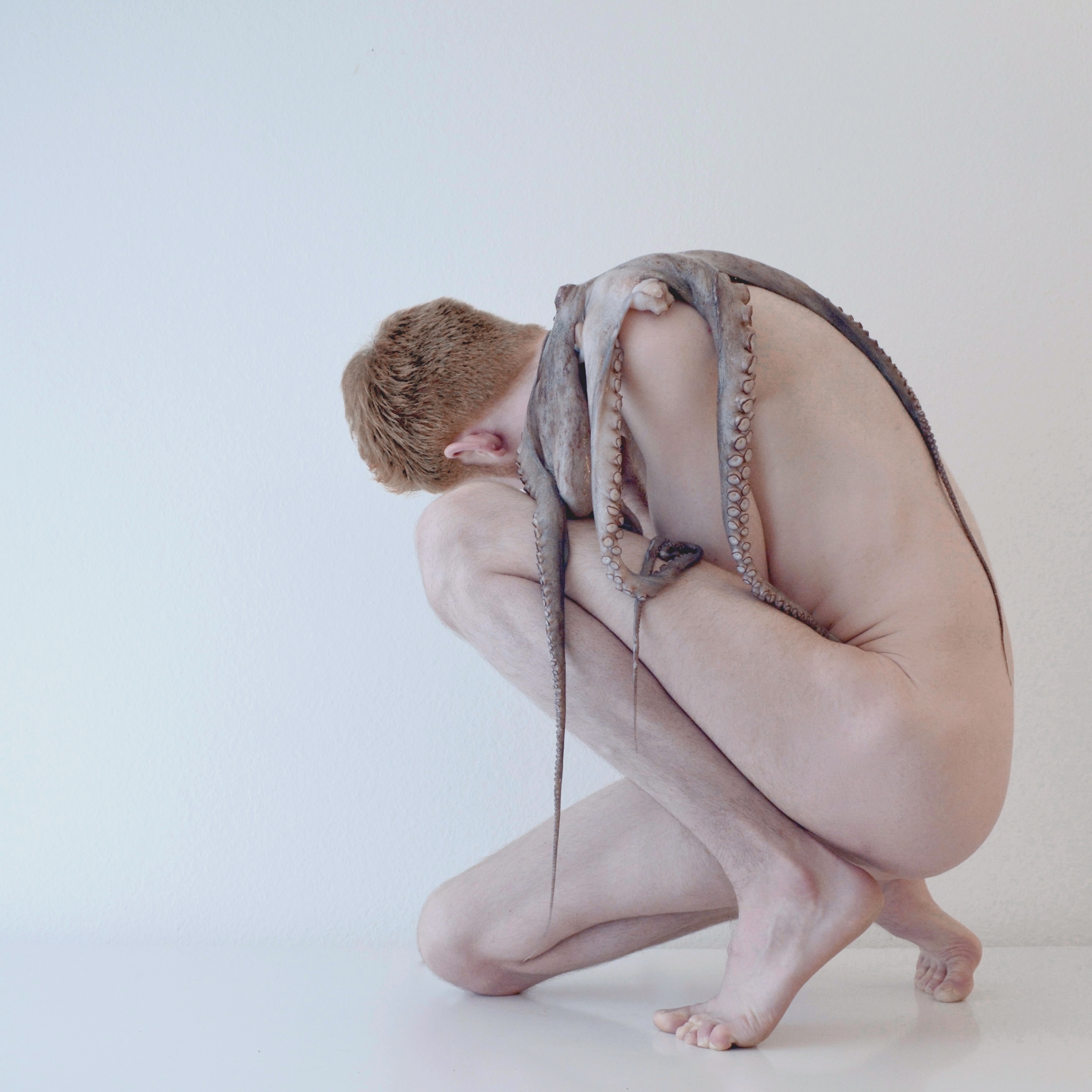
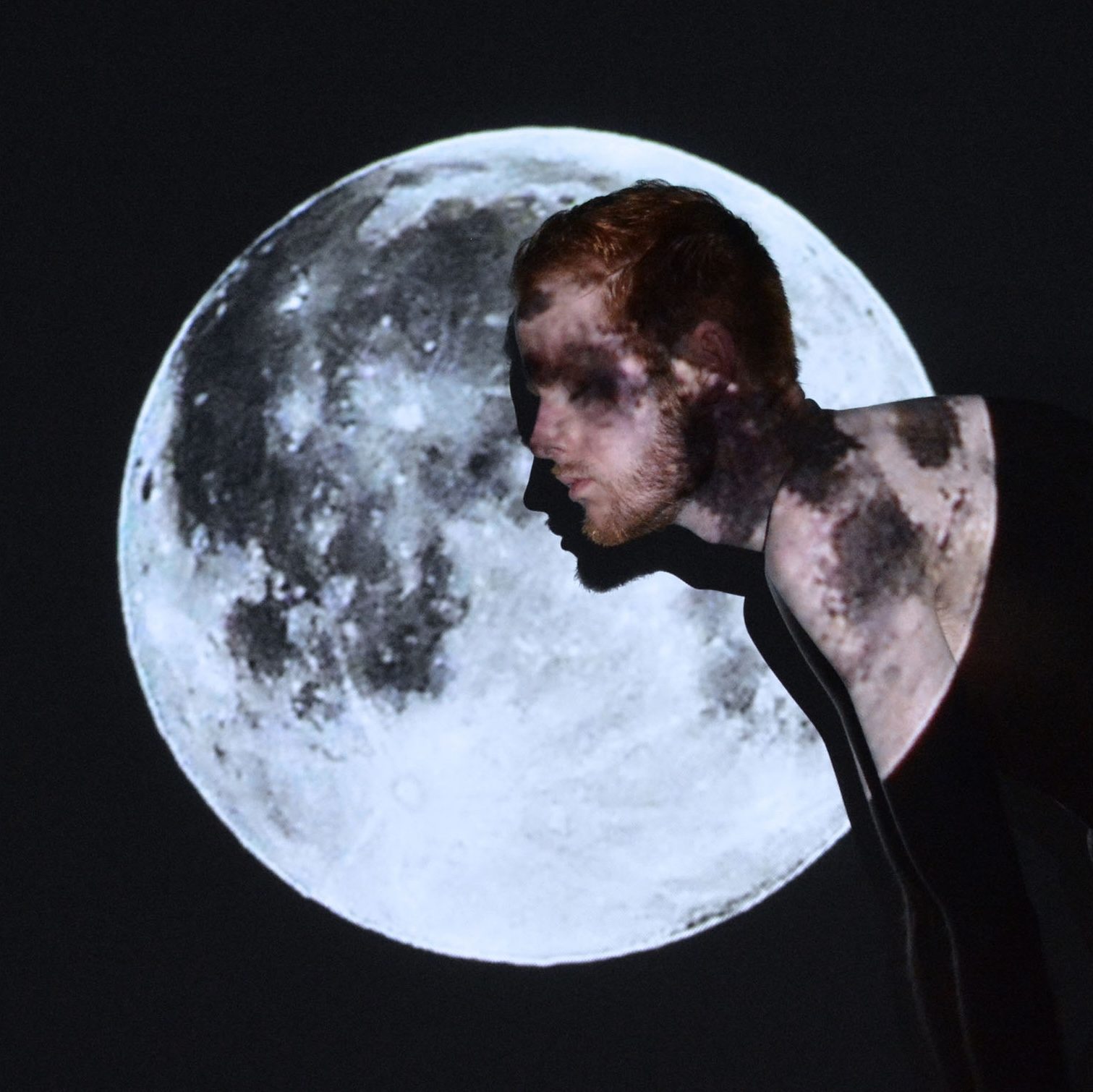
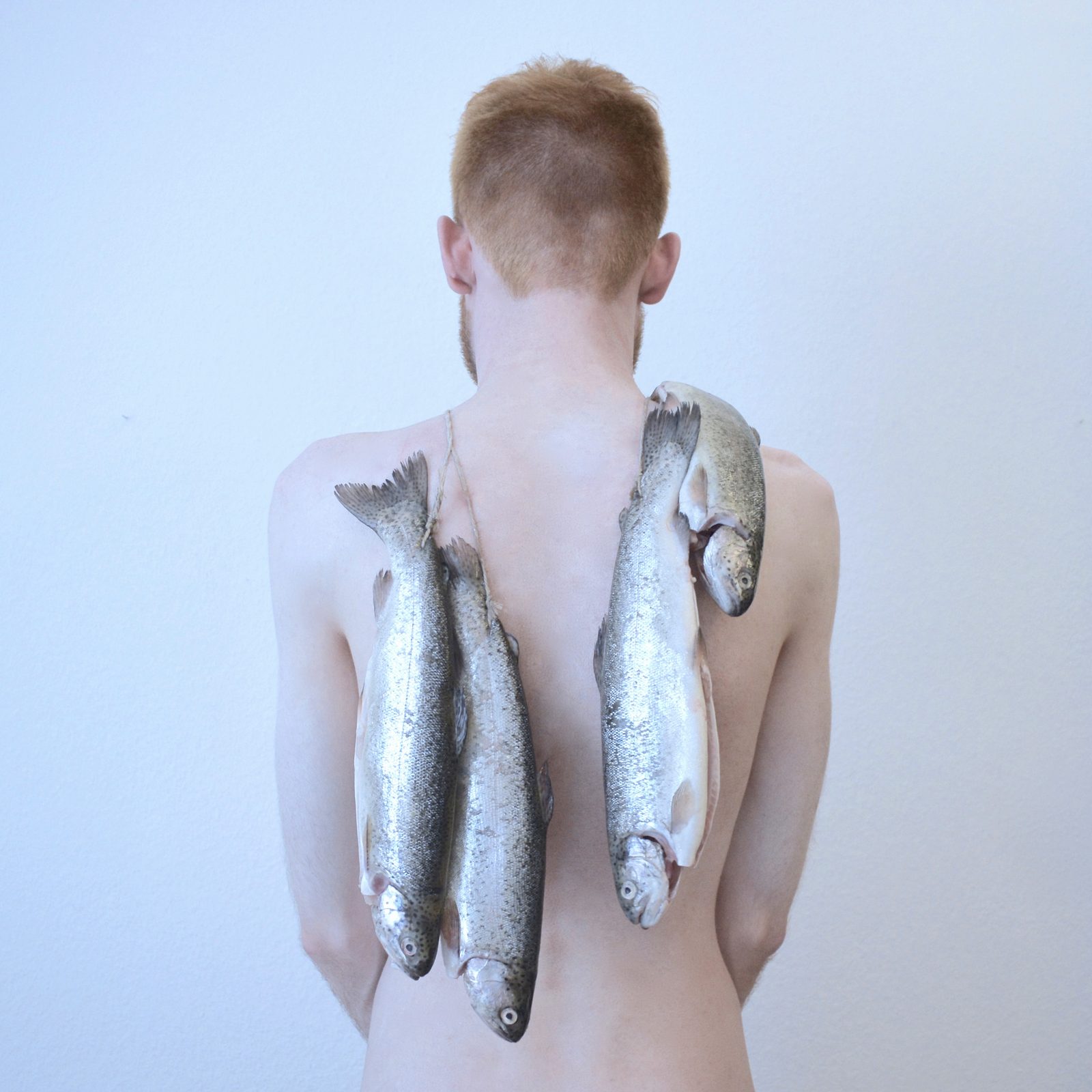
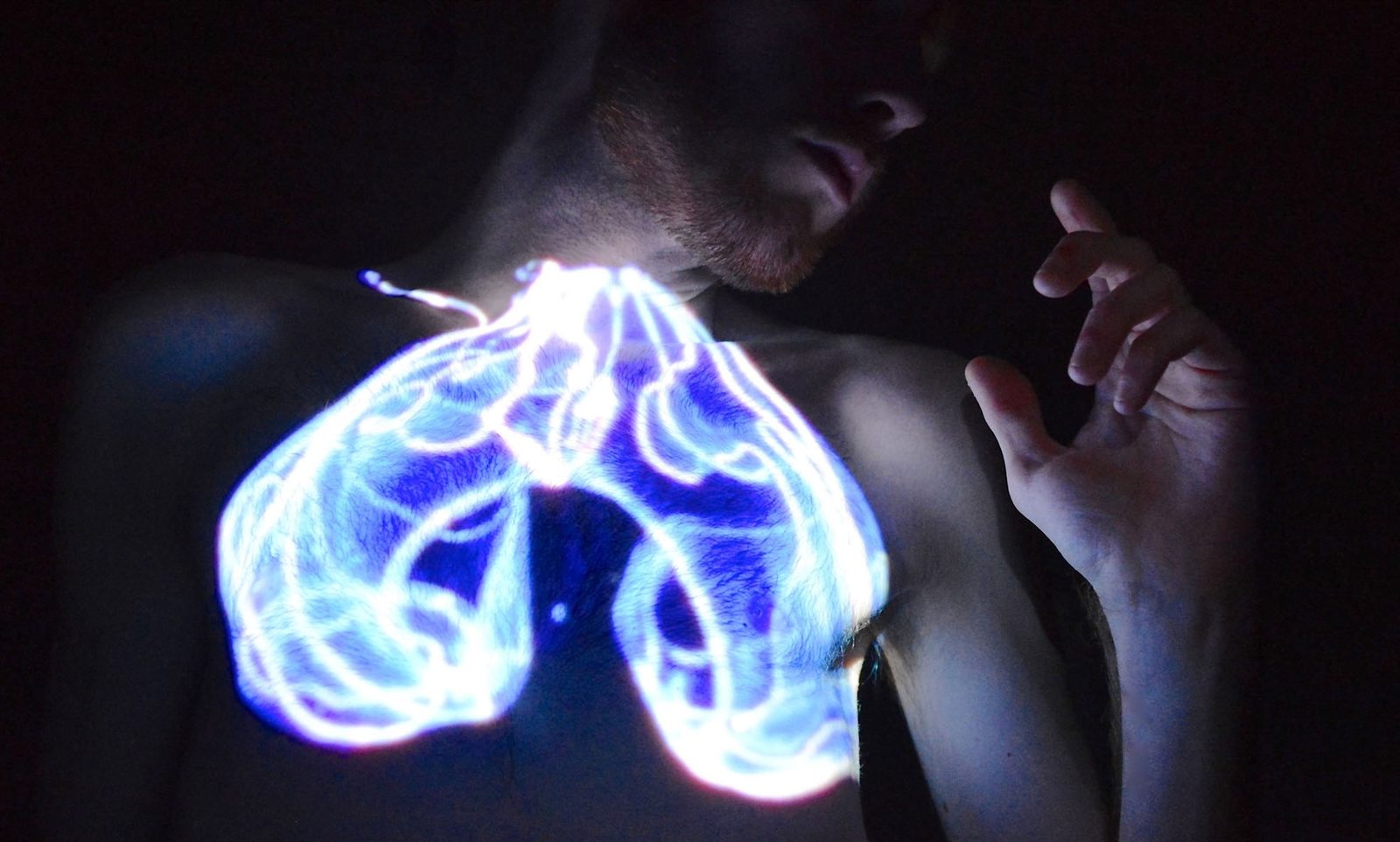
This body of work emerged from a condition in which familiar structures — partnership, collaboration, place, and a sense of continuity — had become unstable. The images were made with the intent to use the body as a site of contact with materials and forms from the natural world. The photographs document these encounters as much as they document the resulting compositions, with the physical act of constructing and inhabiting each image being central to the work.
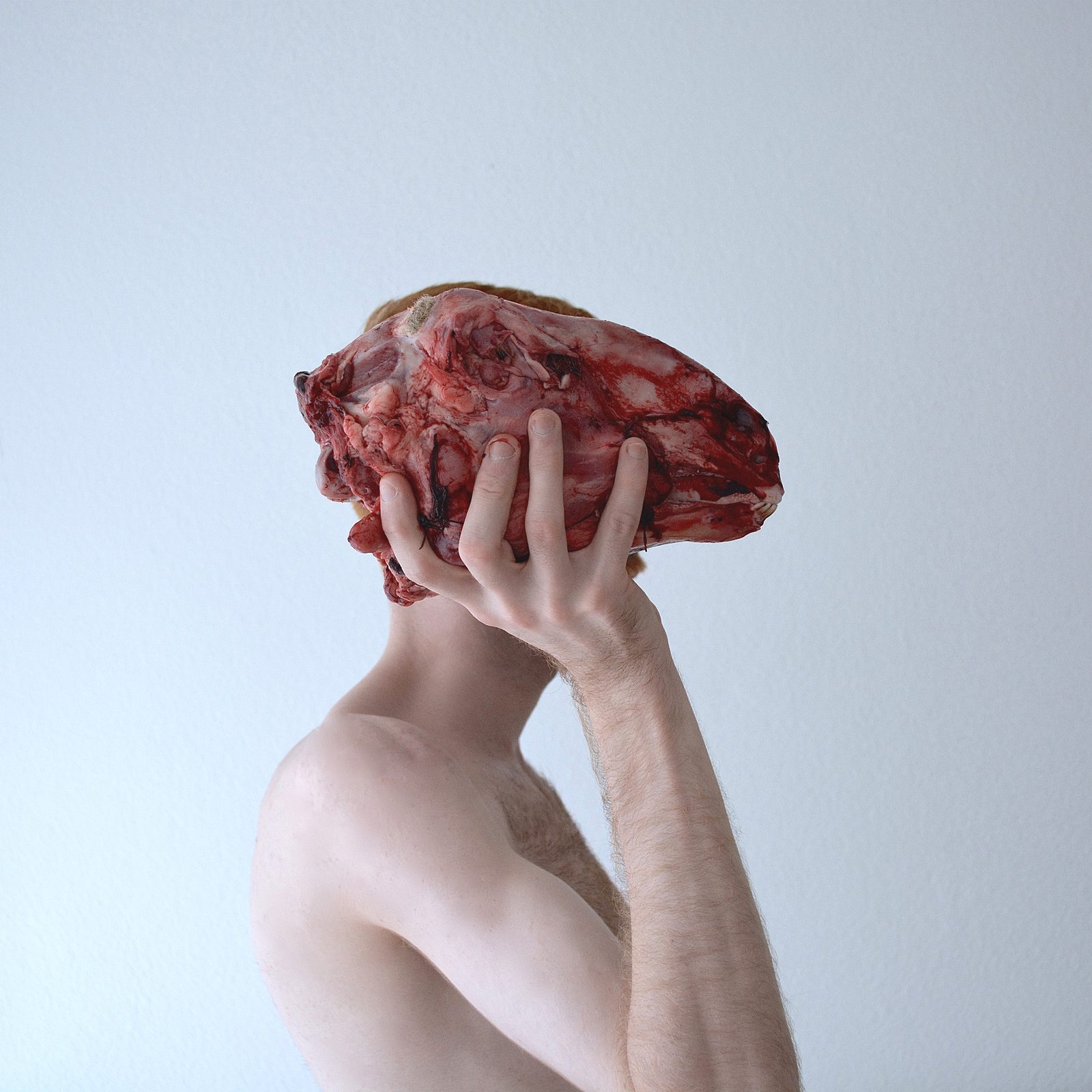
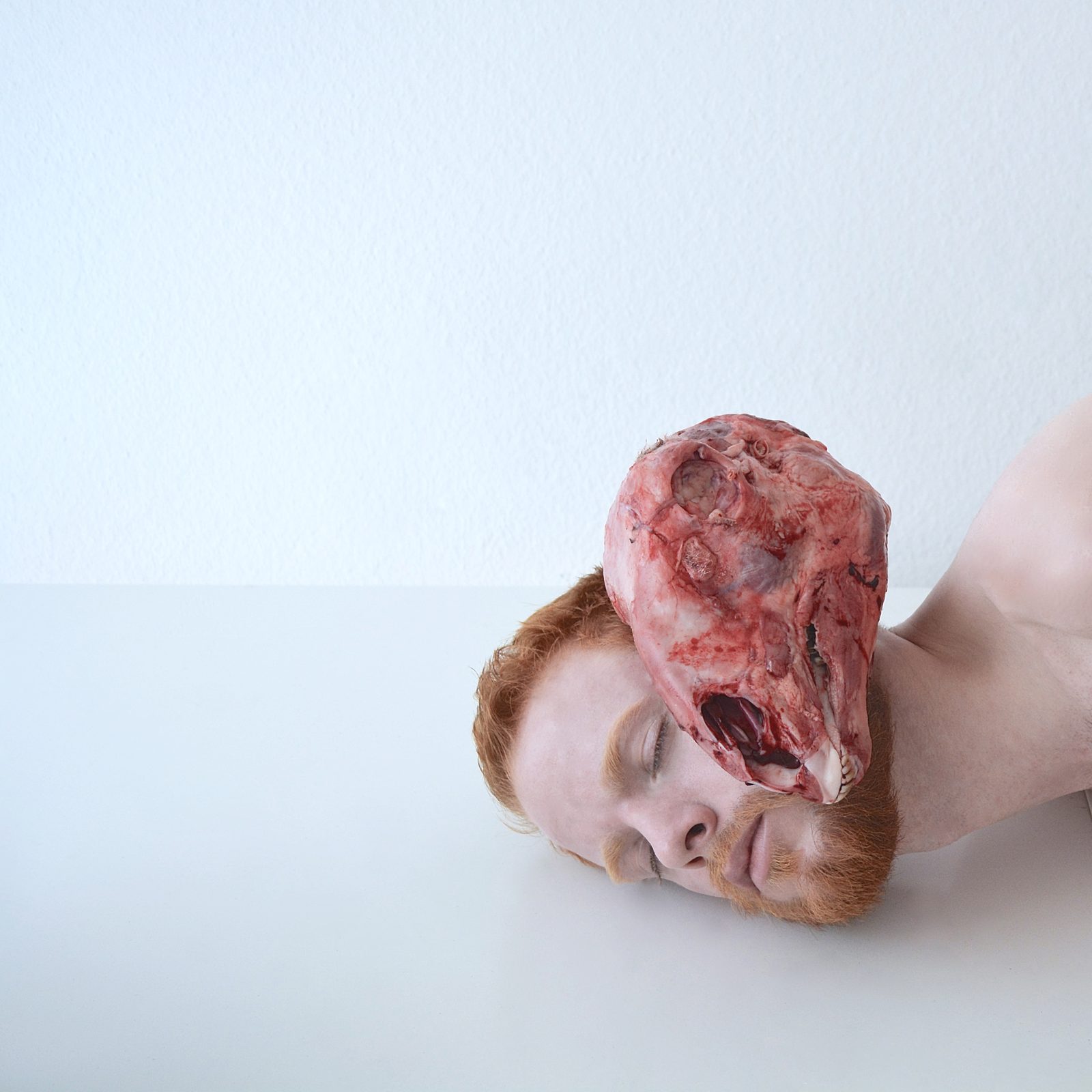
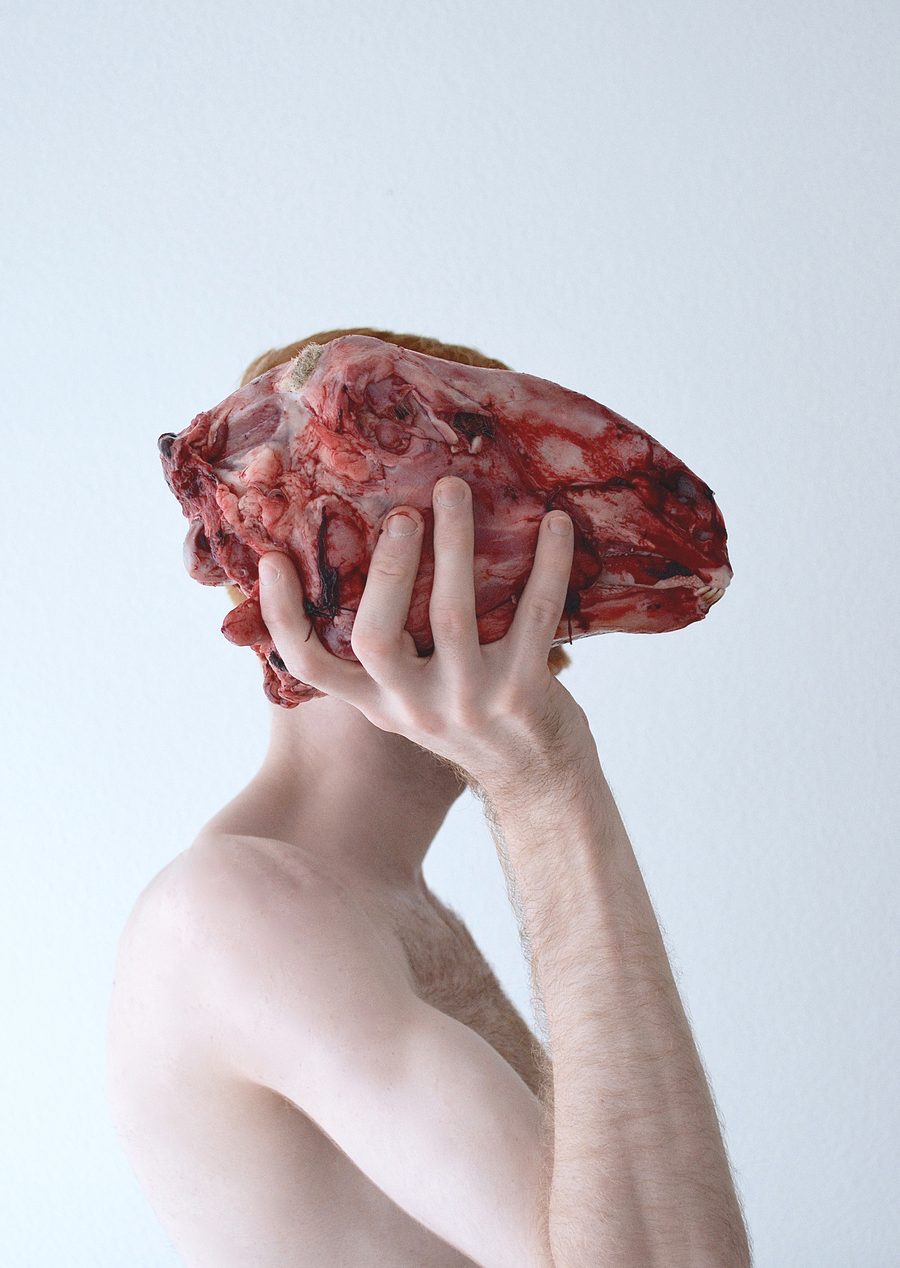
The photographic language is intentionally uneven. Some images are more crudely executed than others, reflecting the exploratory and largely self-directed conditions in which the series was made. In this sense, the photographs retain something of the conditions of their making: their immediacy, awkwardness, and material proximity. What mattered most in the making of this work was the experience of being physically close to the materials and allowing that proximity to determine the image. Lying down with eyes closed, for example, whilst feeling the flesh of a lamb’s head pushing down upon my face and the blood slowly trickling in my ear for an extended period introduces a distinctly visceral register to the work — one based on weight, temperature, texture, smell, discomfort; not merely visual representation alone.
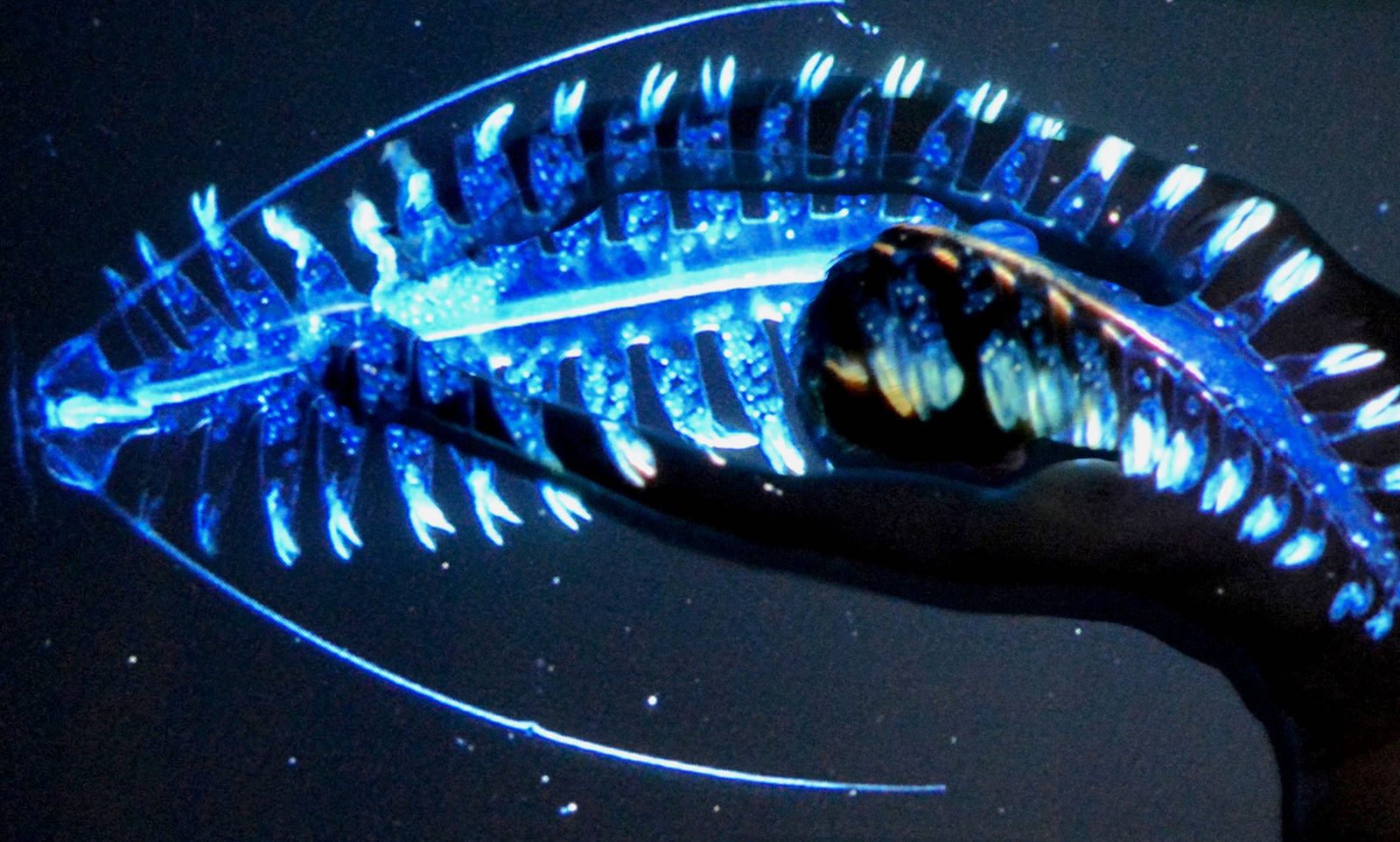
The title Going Home emerged from this period of separation and from the absence of any stable sense of place while living abroad. It does not describe a return to a particular location, but echoes instead that famous quote of John F. Kennedy in 1962 where he highlighted a profound, ancestral link between humanity and the ocean, noting that “we all came from the sea” and that our blood shares the same salt concentration as the ocean. The idea of home is here for these works a more elemental concept, located less in human relationships than in the physical world around us. Nature becomes a provisional structure through which the body can be reoriented: branches, water, animal matter, light, and other non-human forms provide materials with which to establish a temporary sense of relation. This is not presented as a mystical return to nature, but as a physical strategy for negotiating a condition of instability. The work moves between withdrawal and contact, using the body’s proximity to external materials as a means of registering and testing a changed sense of self. In this context, Going Home describes not a resolution of separation, but an attempt to establish another point of orientation through direct physical engagement with what remains materially present.